
ABOUT US
Yantai Yuande Intelligent Technology Co., Ltd. has only 30 years of production experience, has served more than 300 domestic and foreign customers, and has produced more than 2,000 machines.
GET A FREE QUOTE

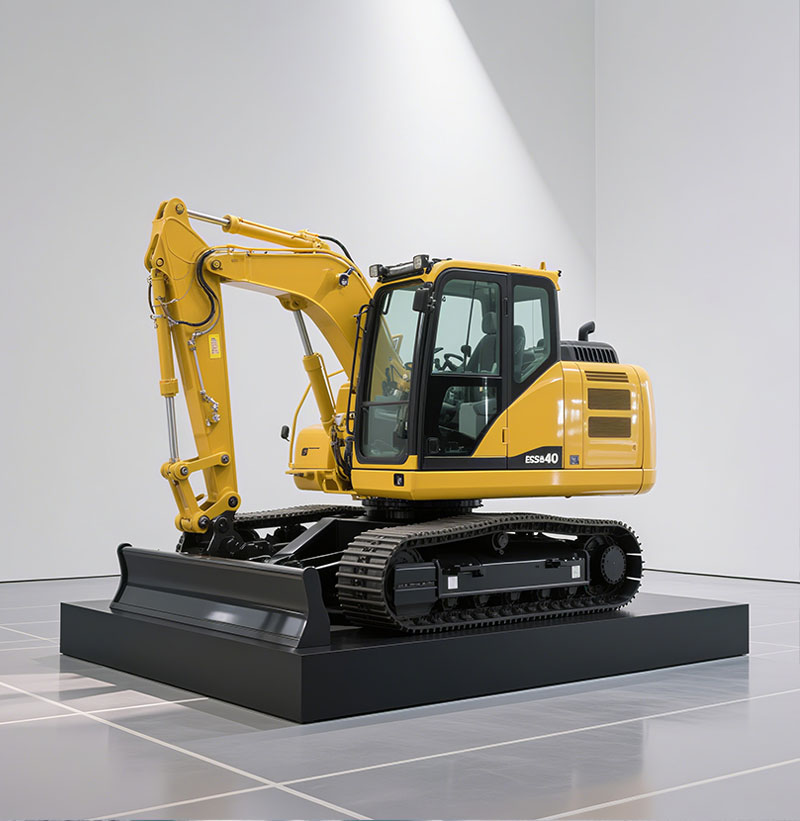
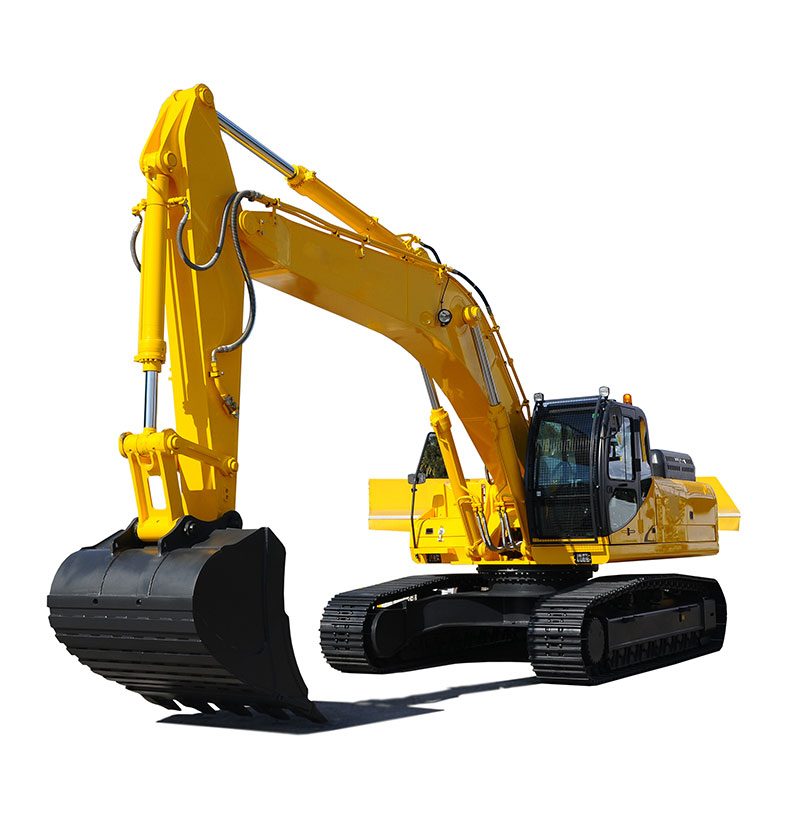
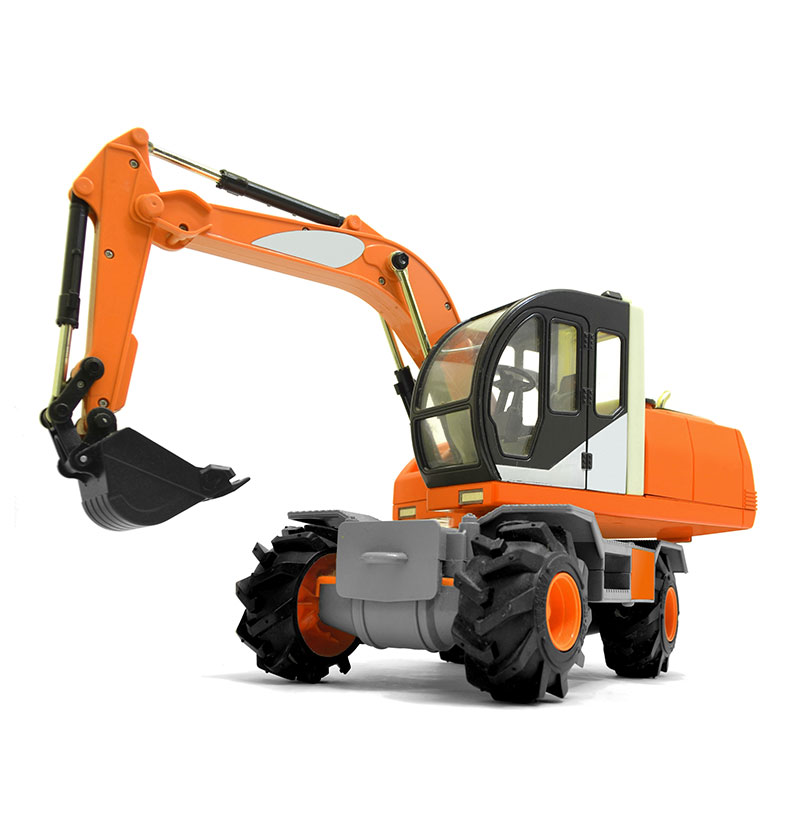
Excavator MT05
1. Good operability: The excavator's cab is designed according to ergonomic principles, with a comfortable seat and a reasonable layout of operating controls, which can reduce operator fatigue.
2. Superior safety performance: The excavator is equipped with a variety of safety devices to ensure the safety of operators and the surrounding personnel.
2. Superior safety performance: The excavator is equipped with a variety of safety devices to ensure the safety of operators and the surrounding personnel.
- Good operability
- Superior safety performance



OUR PRODUCTS
Best-selling Products
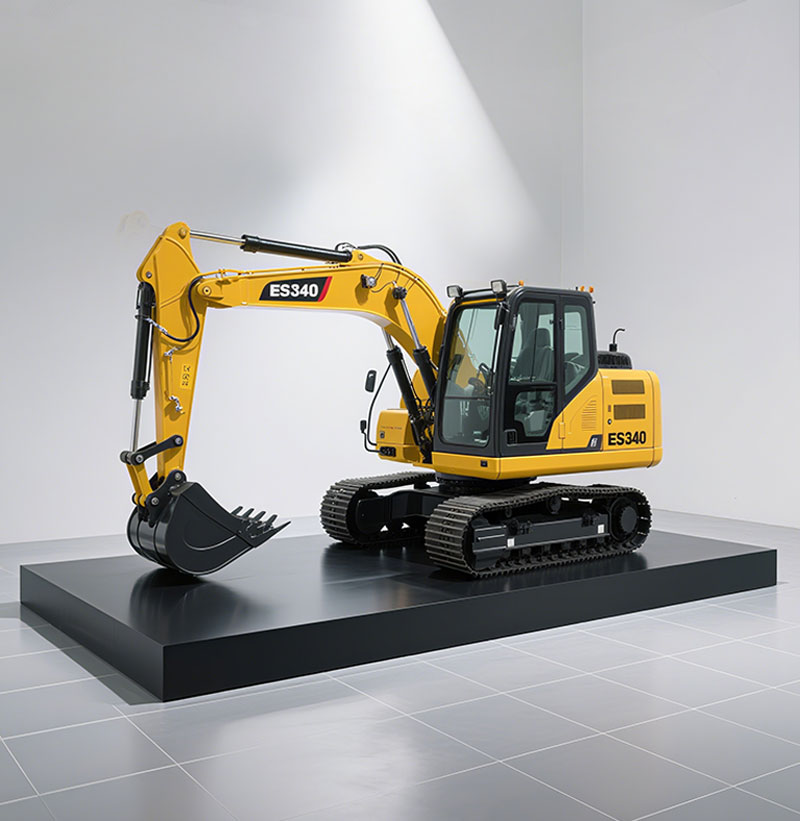
Excavator MT08
1. Good operability: The excavator's cab is designed according to ergonomic principles, with a comfortable seat and a reasonable layout of operating controls, which can reduce operator fatigue.
2. Superior safety performance: The excavator is equipped with a variety of safety devices to ensure the safety of operators and the surrounding personnel.
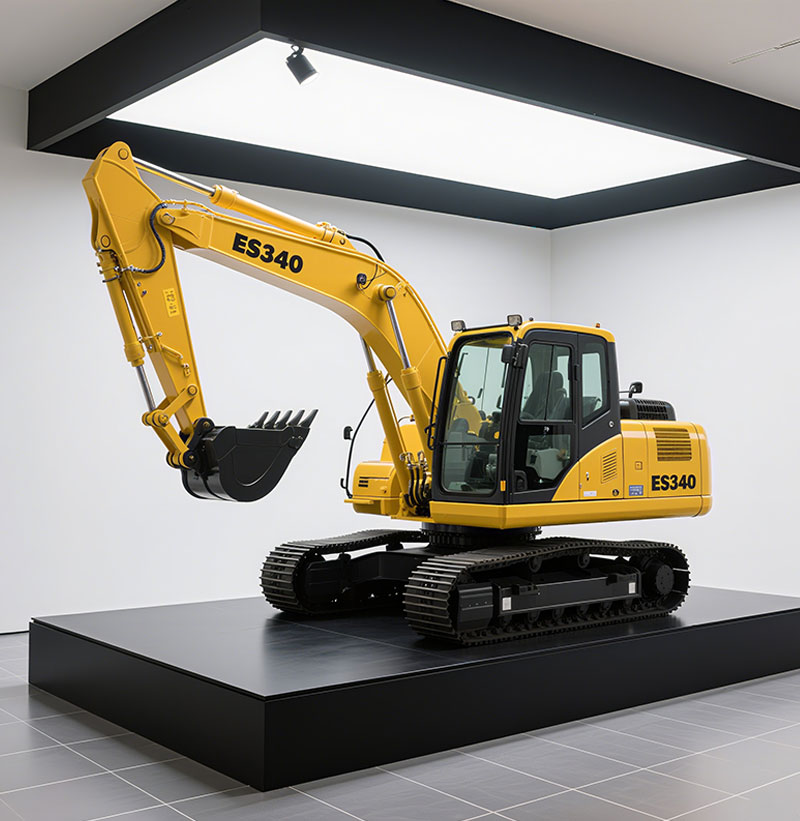
Excavator MT07
1. Good operability: The excavator's cab is designed according to ergonomic principles, with a comfortable seat and a reasonable layout of operating controls, which can reduce operator fatigue.
2. Superior safety performance: The excavator is equipped with a variety of safety devices to ensure the safety of operators and the surrounding personnel.
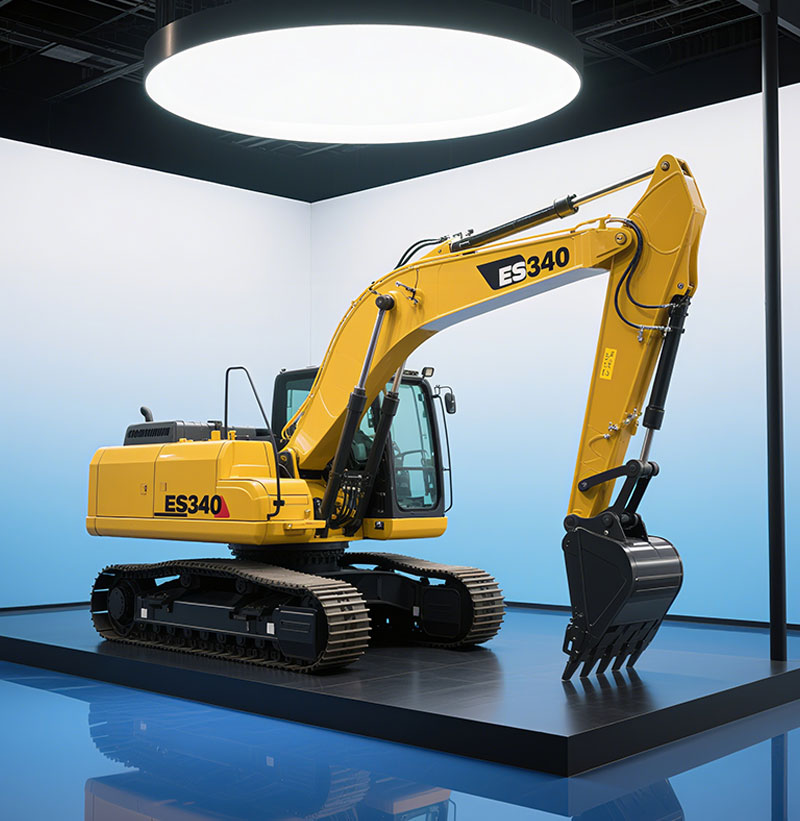
Excavator MT06
1. Good operability: The excavator's cab is designed according to ergonomic principles, with a comfortable seat and a reasonable layout of operating controls, which can reduce operator fatigue.
2. Superior safety performance: The excavator is equipped with a variety of safety devices to ensure the safety of operators and the surrounding personnel.
Excavator MT04
1. Good operability: The excavator's cab is designed according to ergonomic principles, with a comfortable seat and a reasonable layout of operating controls, which can reduce operator fatigue.
2. Superior safety performance: The excavator is equipped with a variety of safety devices to ensure the safety of operators and the surrounding personnel.
Excavator MT03
1. Good operability: The excavator's cab is designed according to ergonomic principles, with a comfortable seat and a reasonable layout of operating controls, which can reduce operator fatigue.
2. Superior safety performance: The excavator is equipped with a variety of safety devices to ensure the safety of operators and the surrounding personnel.
Excavator MT02
1. Good operability: The excavator's cab is designed according to ergonomic principles, with a comfortable seat and a reasonable layout of operating controls, which can reduce operator fatigue.
2. Superior safety performance: The excavator is equipped with a variety of safety devices to ensure the safety of operators and the surrounding personnel.
OUR LATEST
Our Latest Blog & News
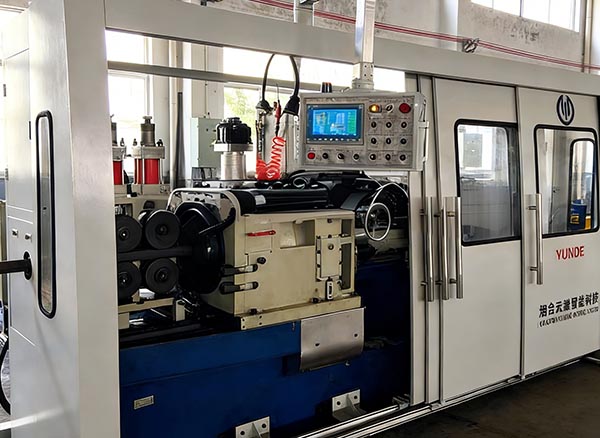
A centerless lathe is a high-precision machining equipment, and its horizontal position directly affects machining accuracy, tool life, and equipment stability.
Centerless lathes (or peeling machines) are high-precision machining equipment, and their horizontal alignment directly affects machining accuracy, tool life, and equipment stability. After installation, scientific calibration is required to ensure the bed is in a horizontal position. The specific steps are as follows:
1.Prepare calibration tools
High-precision spirit levels (accuracy of at least 0.02 mm/m is recommended), shims (adjustable mechanical shims or rubber damping pads), wrenches, and adjusting screws are required. The spirit level must be calibrated to ensure reliable measurement data.
2.Determine the calibration reference plane
Using the guide surface of the centerless lathe bed as the reference, prioritize calibrating the horizontal alignment in both the longitudinal (along the machining direction) and transverse (perpendicular to the machining direction) directions. If the bed is a segmented structure, calibrate each segment separately and ensure overall consistency.
3.Longitudinal horizontal calibration
Place the spirit level on the longitudinal guide rail of the bed and move it along the machining direction, recording the readings at various positions.
Adjust the height of the centerless lathe’s leveling bolts or shims to ensure that the longitudinal horizontal deviation does not exceed 0.05 mm/m (refer to the equipment manual for specific standards).
When adjusting, tighten the bolts symmetrically to avoid bed distortion caused by uneven force on one side.
4.Transverse horizontal calibration
Rotate the spirit level 90° and place it on the transverse guide rail of the bed, repeating the measurement and adjustment steps.
Transverse horizontal alignment usually requires stricter tolerances (e.g., ≤0.03 mm/m), as tool vibration and workpiece feeding are more sensitive to transverse stability.
5.Re-inspection and securing
After the initial adjustment, multiple re-inspections and fine-tuning are required until the spirit level readings are stable at any position.
Tighten all leveling bolts and verify the horizontal alignment again to prevent deviations caused by loose bolts.
If the ambient temperature changes significantly, wait until the centerless lathe’s temperature stabilizes (usually 2-4 hours) before confirming the alignment.
6.Handling special circumstances
If the ground is uneven, adjustable shims or damping devices should be installed between the foundation and the centerless lathe, and secured with secondary grouting to ensure long-term stability.
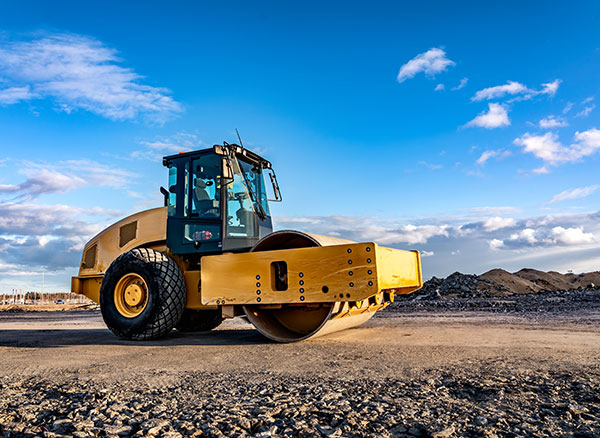
Endeavour TBM: A new record in tunnelling
In 2024, the Northern Heavy Industries (NHI) Endeavour TBM (Tunnel Bone Mine) set a world record for single-machine tunneling of 26.521 kilometers. This achievement was driven by breakthroughs in multiple core technologies. Previously, TBM main bearings had long relied on imports. NHI, in collaboration with research institutions, conducted hundreds of tests and developed high-strength, wear-resistant main bearings. These bearings offer a 20% longer service life and a 35% lower cost than imported products, effectively breaking the monopoly of foreign technology. The Endeavour TBM’s intelligent geological detection system plays a crucial role in complex geological construction. It analyzes rock hardness, water content, and other data in real time, automatically adjusting the cutterhead speed and thrust. For example, in a mountain tunnel project, when encountering crushed rock, the system quickly switched to “staged cutting” mode, achieving a stable daily tunneling efficiency of over 12 meters, a 40% increase over traditional equipment. Furthermore, the equipment’s modular design reduces cutterhead replacement time from three days to eight hours, significantly reducing project downtime. This provides an efficient solution for long-distance tunnel construction in China and further consolidates my country’s technological leadership in the global shield machine industry.
SERVICES
Services
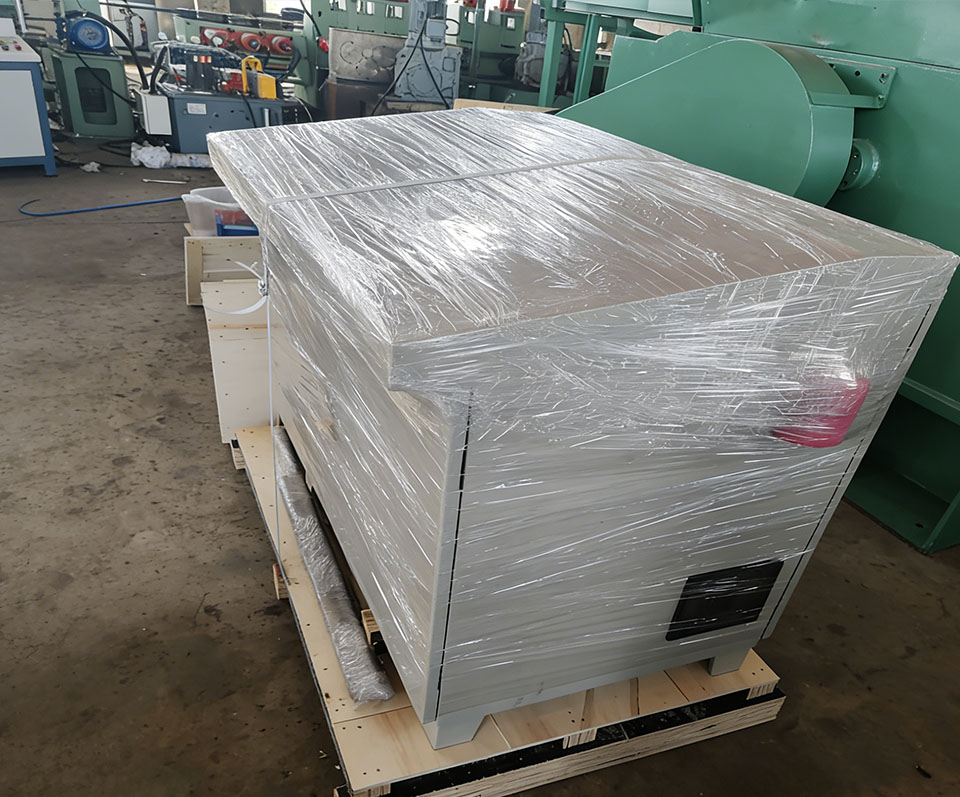
Service1
We have rich experience in export packaging with professional packaging and professional packing staff. Multilayer packaging is adopted with critical area wrapped with moisture proof and shock proof film, plywood box, or wood box and tray. Multiple reinforcement measures is applied to ensure the solid fixation of equipment on packing box and tray, and the stability of equipment in the container.
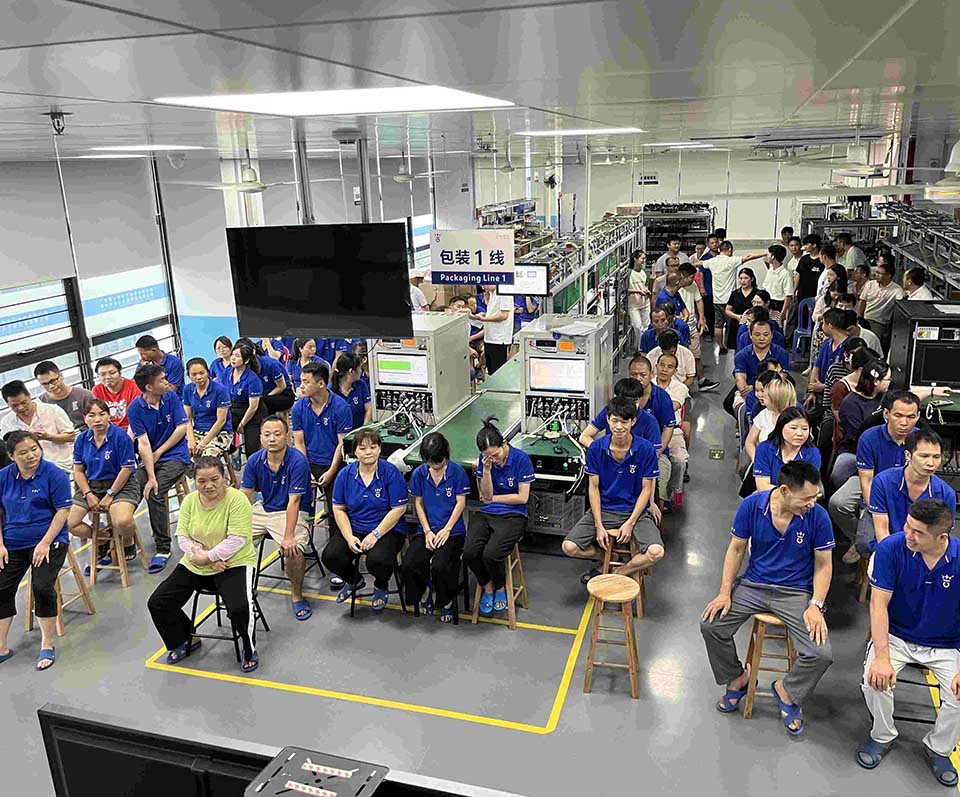
Service2
1.Provide free warranty period of 12 months
2.Provide long term free technical support
3.The buyer’s can be trained in our factory for free.
4.Quick response within 24 hours
5.Provide overseas services such as installation instruction, equipment commissioning and operation training.